
Reflexology is a complementary therapy based on the idea that areas of the feet, called reflex areas, correspond to different parts of the body. During a treatment, steady thumb and finger pressure is worked systematically over every area of both feet. Clients describe the effect as deeply relaxing: an hour where the phone is away, the body slows down, and someone is taking care of you.
The earliest known depiction of foot and hand treatment appears in the Physician's Tomb at Saqqara, Egypt. The hieroglyphs above the scene are translated as a patient asking "please do not hurt me", and the practitioner replying "I shall act so you praise me." Some things about going to a therapist never change.
Dr William Fitzgerald, an American ear, nose and throat surgeon, observed that pressure on one part of the body could affect another, and mapped the body into ten vertical zones running head to feet, the framework modern reflexology is built on.
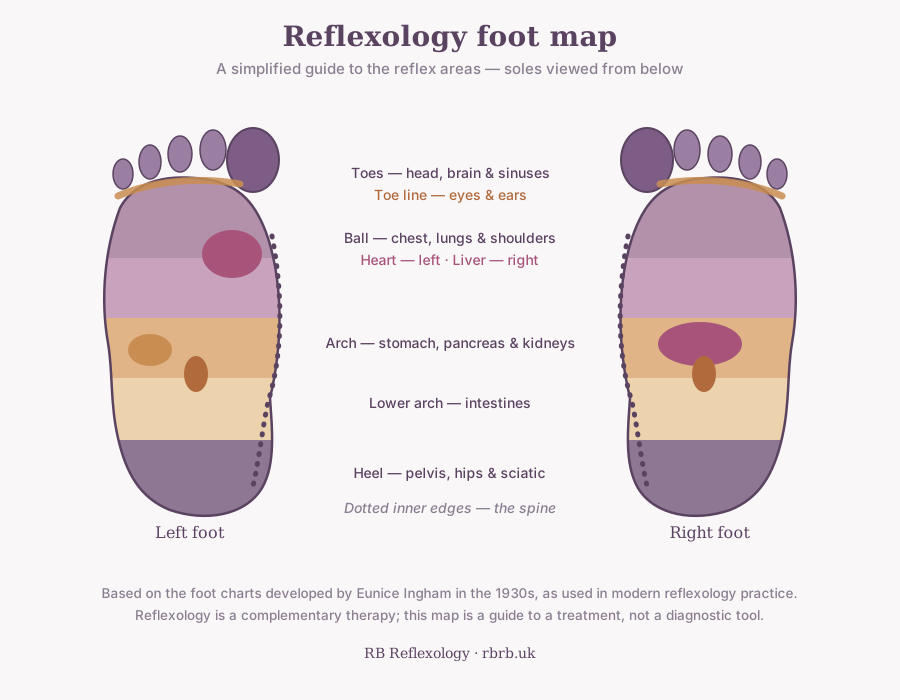
Physiotherapist Eunice Ingham refined zone therapy into the detailed foot maps still used today, developed the thumb-walking technique, and gave the practice its name: reflexology. The chart above is based on her work.
Ingham's student Doreen Bayly brought the method to the UK in the 1960s, where it grew into one of the most widely practised complementary therapies, supported by professional bodies such as the Association of Reflexologists (AoR), whose standards Rachael works to.
An honest note on what reflexology can and can't do: it is not a medical treatment and it doesn't cure conditions, and reputable therapists never claim otherwise. What clients consistently report is what you'd hope from an hour of skilled, undivided attention: less stress, a calmer body, better sleep that night, and a feeling of being properly looked after. Research into wider effects is ongoing; relaxation is the one thing everyone agrees on.
No, the pressure is firm but comfortable, closer to a deep massage than anything painful. The odd point can feel briefly tender; say so and the pressure adjusts. Plenty of clients fall asleep.
Tickling comes from light touch, whereas reflexology uses steady, firm pressure, which most ticklish people find completely fine. Often to their genuine surprise.
It's gentle and suits most adults. A few situations need care or a GP's go-ahead first: early pregnancy, DVT, gout flare-ups, or foot injuries and infections. That's what the consultation is for, so just mention anything relevant when booking.
No, and you should walk away from any therapist who says it can. Reflexology complements medical care, never replaces it. Come for the relaxation and wellbeing; keep your GP for the medicine.
There's no course and no pressure. Book one when you need to unwind; those who love it usually settle into monthly or fortnightly visits.
A quiet corner and bare feet. The reclining chair, towels and everything else arrive with Rachael.
Sources: history as documented by UK reflexology training schools and the professional literature (Physician's Tomb at Saqqara; W. Fitzgerald's zone therapy; E. Ingham's foot charts; D. Bayly, UK). Reflexology is a complementary therapy and is not a substitute for medical diagnosis or treatment.